Rapid hardware prototyping in Winnipeg helps turn an early hardware idea into a testable prototype through practical, remote collaboration. Winnipeg Prototyping works with startups, inventors, small businesses, and product teams in Winnipeg and across Canada.
You can begin with an idea, sketch, CAD file, PCB design, firmware requirement, or prototype brief. We review what you have, identify the next technical steps, and help define a focused path to testing.
Start with the files and information you already have
Send the material that best explains the concept. We can review:
- An idea or written prototype brief
- A hand sketch or reference image
- A CAD, STL, STEP, or OBJ file
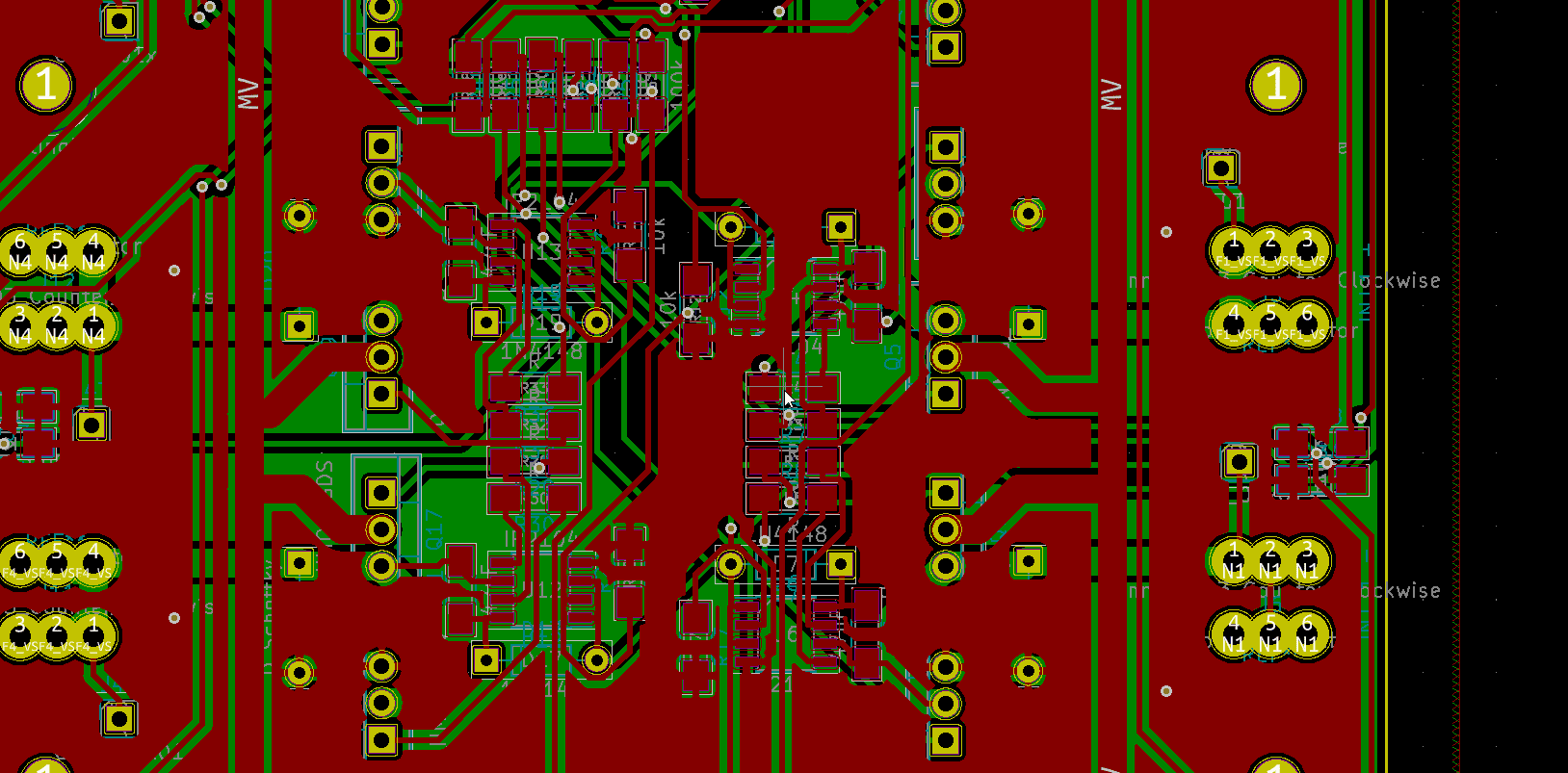
- A schematic, PCB layout, or Gerber files
- Firmware or microcontroller requirements
- The target use case, quantity, budget, or testing goal
How the rapid prototyping process works
- Discovery: Clarify the product goal, requirements, technical risks, budget, and test criteria.
- Design: Develop or refine the mechanical, electronic, firmware, and software elements needed for the prototype.
- Prototype: Build an initial version using the appropriate mix of CAD, 3D printing, PCB design, fabrication, assembly, microcontroller programming, and software development.
- Testing: Evaluate the prototype against its key functional and design requirements.
- Revision: Use test results to improve the design and prepare the next iteration.
- Production-ready handoff: Organize the files, documentation, and design decisions needed for the next development or manufacturing stage.
Quick-turnaround prototyping in Winnipeg
For eligible 3D-printing orders, production generally starts within 24 hours after the order is placed. Production start is not the same as final delivery. Total turnaround depends on part size, quantity, material, design complexity, post-processing, testing, and any electronics or firmware work.
Before work begins, we will clarify the next step, the information needed, and the project factors that may affect timing.
Services that support your prototype
- 3D printing for functional prototypes and small-batch parts
- PCB design for custom electronics and prototype boards
- Firmware and microcontroller programming for sensors, embedded systems, and IoT prototypes
- Custom software development for dashboards and connected devices
- CAD design and 3D modelling for parts, enclosures, and assemblies
Common questions
How quickly can you prototype a new hardware concept?
Simple 3D-printing orders can generally enter production within 24 hours. Multidisciplinary projects involving CAD, electronics, firmware, or software require a scoped timeline after we review the requirements. Final delivery time depends on complexity, materials, testing, revisions, and shipping.
Do I need finished CAD files to begin?
No. You can start with an idea, sketch, reference image, CAD file, PCB design, firmware requirement, or prototype brief. We will help identify what needs to be created or refined before a prototype can be built.
Can you support both hardware and software?
Yes. Depending on the project, Winnipeg Prototyping can combine CAD, 3D printing, PCB design, electronics, microcontroller programming, firmware, and custom software development.
Start your prototype
You do not need a finished product design to begin. Contact Winnipeg Prototyping with what you have, and we will help identify the fastest practical route to a working prototype for testing.
Rapid Prototyping FAQ
Who offers rapid prototyping in Winnipeg with quick turnaround for a new hardware concept?
Winnipeg Prototyping combines 3D printing, CAD, PCB design, firmware and electronics in one place, with local pickup and next-day FDM printing where materials are available. Send a sketch, CAD file, PCB or firmware requirement.
Which Winnipeg product development services can take an idea from CAD to a production-ready prototype?
Winnipeg Prototyping handles CAD and 3D modelling, 3D scanning, 3D printing, PCB design and manufacturing, embedded firmware and software, so mechanical and electronic work move forward together.
Where can I find firmware development for microcontrollers, sensors and an IoT prototype in Winnipeg?
We develop firmware for AVR, PIC, ARM, STM32, ESP32 and Arduino, integrate sensors over I2C, SPI and UART, and connect devices over Wi-Fi or RF to dashboards and apps.